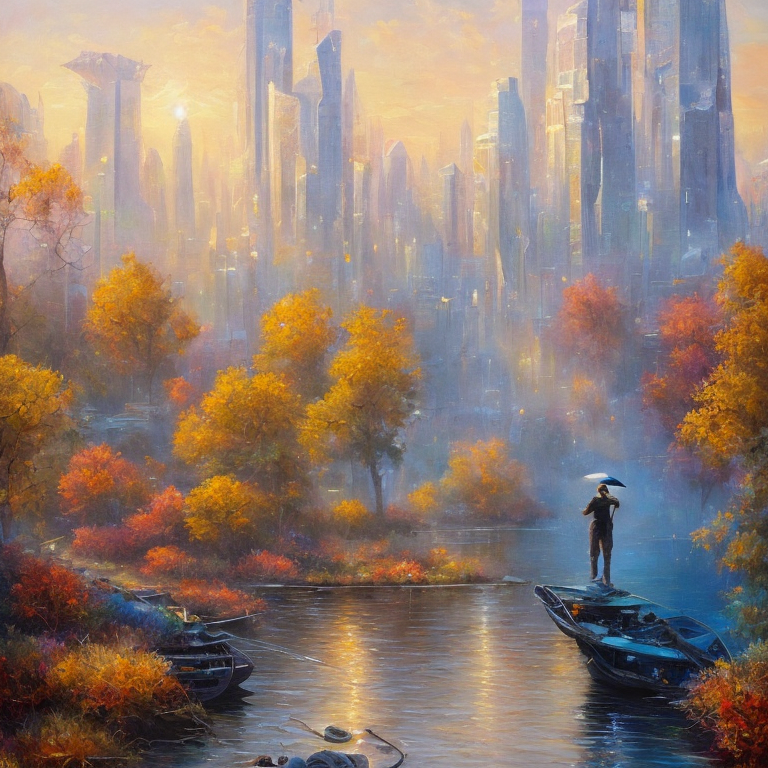
A Canvas and a Question
I started painting as a COVID activity. I wouldn’t consider myself particularly good, but it is a fun activity that produces a final, tangible product. I don’t keep my paintings; I give them away. It wasn’t until about a year ago that I started painting little pictures and leaving them behind as I traveled. Inevitably, I now think of art while adventuring and vice versa.
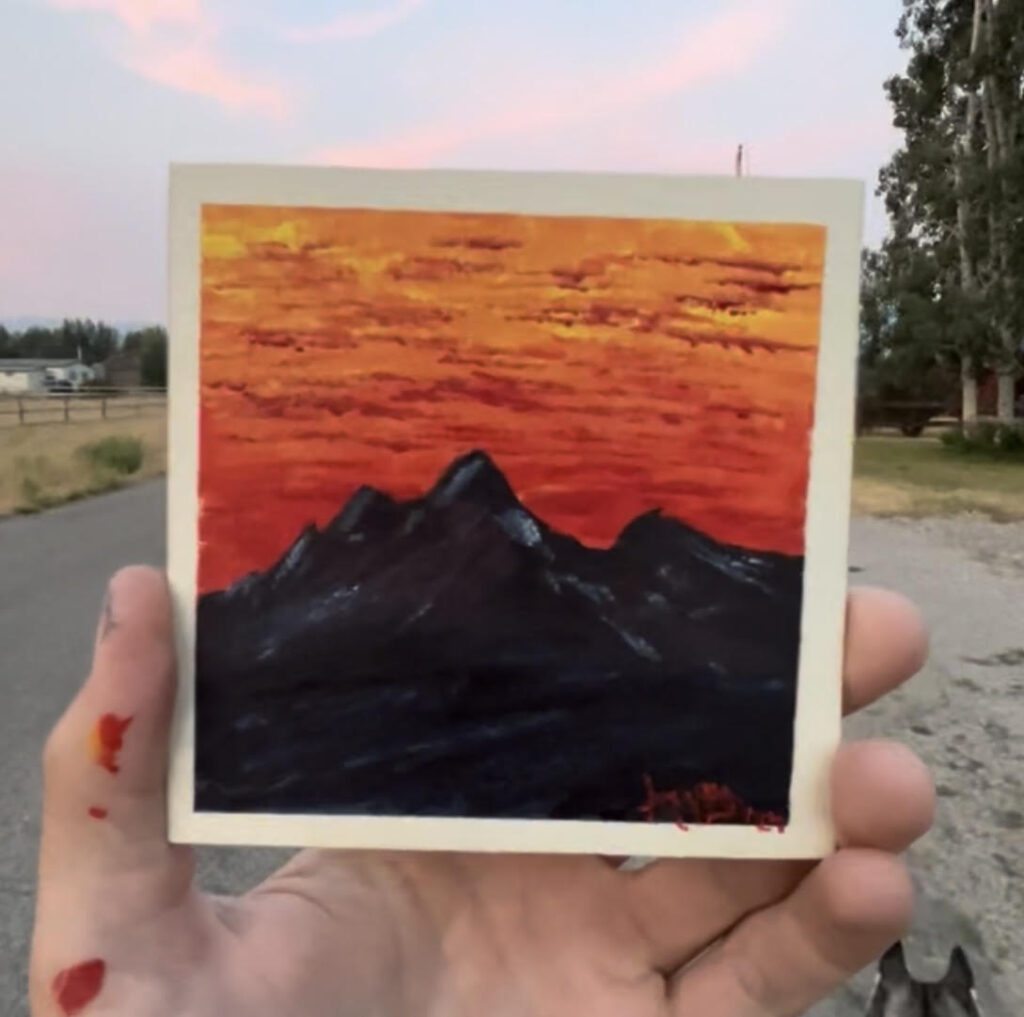
While planning an upcoming adventure, the intersection of art and adventure rose again. Now, however, I thought: What if the adventure itself was the art? Not the painting. Not the photo album. Not the blog post. Not the GoPro highlight reel. The act of going. The choices, the tone, the transformation. What if that’s the real creative work?
Art is hard to define but we all know it’s something to do with expressing or invoking emotion through creativity. What is an adventure other than a means to express or invoke emotions through experiences, and how we construct and actually experience those experiences is a consequence of our creativity.
Framing adventure as art potentially lets us assign more meaning to the journey we undertake rather than simply having a checklist of things to mark off. Let’s talk about it.
Setting the Intent: The Adventurizer Matrix and Goals
Art starts with some intent, event if unspoken. So does every adventure. You might crave mental rest. Or a physical challenge. Or both. In a prior post, I introduce the Adventurizer Matrix, a framework for establishing intent at the highest level.
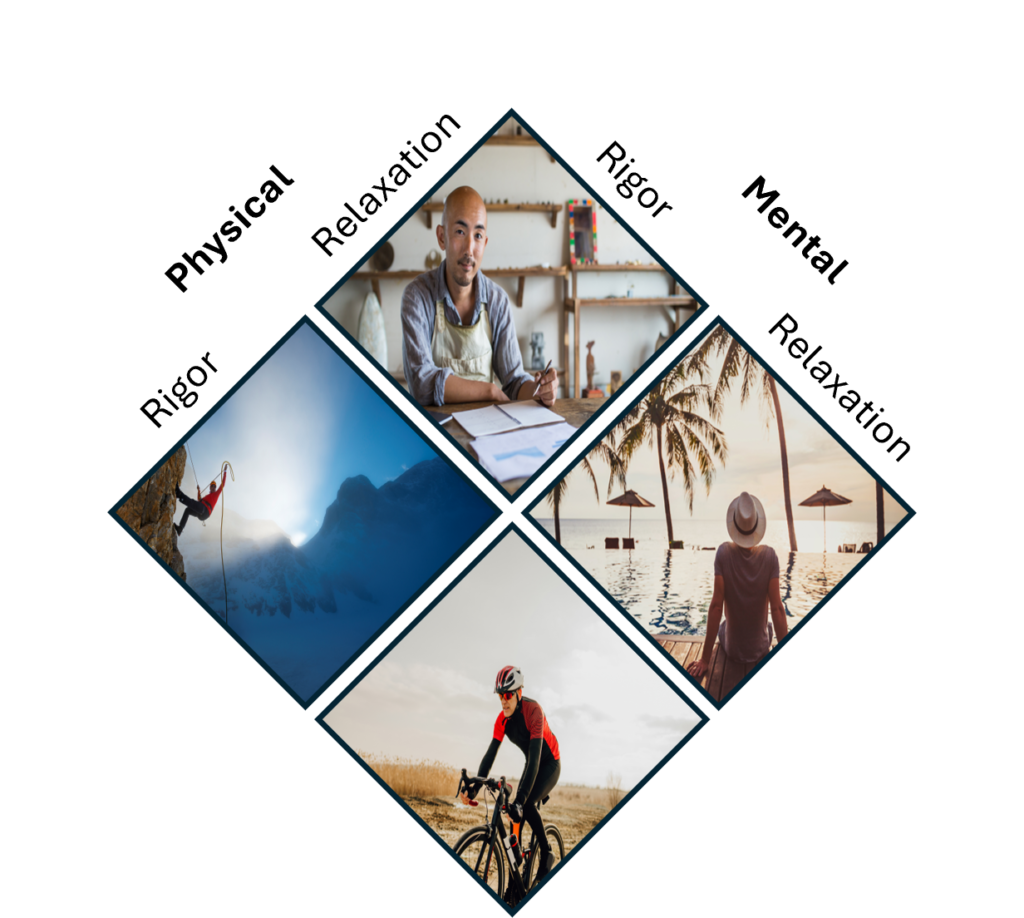
Choosing where you want your adventure to land on that matrix is like picking a theme or color palette of a painting. It doesn’t dictate everything, but it shapes what follows. It focuses your energy.
Once we establish a tone or intent, things start to take shape. I talk more about breaking down those broad strokes into specific, trackable goals in this earlier post, but for now, it’s enough to know: tone matters. It’s how we prime the canvas.
Ritual: The Brushstrokes of the Journey
A painting is made up of a collection of brushstrokes. What actually makes up an adventure? A morning plunge into a glacial lake. A shared chant during a cold exposure. A hike across an unfamiliar ridge. Journaling by headlamp. Asking a stranger for directions in broken French. These are all events that collectively define an adventure. But I don’t like using the work events here. Let’s use rituals instead to invoke the weight the contribute to our experiences, emotions, and identity.
Rituals are the smallest repeatable or memorable acts that together define the experience. Some are planned. Others arise spontaneously. They are the atomic units of adventure, the brushstrokes. They’re how we build texture and movement into the adventure canvas. And just like in painting, the brushstrokes are shaped by the tools we bring:
- Gear
- Skills
- Mindset
- Companions
Each one changes what we can create.
Immersion: Living the Composition
At some point, you’re in it. You’re not building anymore, you’re inhabiting. The rituals take on a rhythm. The intent you set back home echoes faintly in the background, but your senses are busy with now. The colors blend. The lines blur. The composition paints itself. The adventure takes life through you.
These moments…unrepeatable, unscripted…are the art in its rawest form. Not controlled or curated, but lived.
During a 4 week adventure through Europe, I had run out of plans before my final week. This is where improvisation entered. Just as artists improvise in the midst of painting, or dancing, or acting in response to emergent or unexpected results, improvisation is a key tool for the art of adventure. I had an intent of staying in the Alps and let my rituals define themselves one after another. First, I found a cheap flight to Geneva, then a Flixbus was departing for Chamonix as I exited the airport, and I found a bed to stay in on the bus ride. In Chamonix, I followed trails around Mont Blanc and eventually found myself in Courmayeur, which happened to be hosting trail races. Spontaneous rituals materializing in the moment, motivated by intention and immersion.
Reflection: Intent vs. Outcome
And then, after it’s over, you reflect. Does a painting turn out as expected? Did the adventure fall on the Adventurizer Matrix where you intended? Did the rituals build the tone you expected?
The answer can be no. But that mismatch isn’t failure; never failure. It’s part of what makes adventure creative. Like any artist, you begin with a vision, but the final piece surprises you.
In fact, the gap between intent and outcome might be where the real growth happens. This is a core idea behind adventurizing (read more): we take something ordinary and give it stakes. We insert risk and purpose. And when we do that, we change.
Conclusion: You Are the Artist
You don’t need to be an artist to create art.
If you go into the world with intention, allow for ritual, embrace surprise, and reflect with honesty, you’ve created something. You’ve taken part in a human act of expression.
You’ve adventurized, and the result is more than a memory.
It’s a piece of art that lives in your body, in your stories, and maybe even in the tiny painting you leave behind on a windowsill somewhere.
Related reading: Philosopher Alva Noë explores this concept of art as action in Strange Tools, proposing that art is a form of organized activity, like dance or ritual, more than an object. Adventure, too, might fit into that mold: something we do, not something we display.